Make Convenience Clear
A mobile notary offers convenience by traveling to an agreed location. But the person booking still needs to understand where you can meet, when you are available, what the visit involves and how charges will be explained. The strongest marketing connects those practical details with a clear, reliable booking process.
This guide focuses on promoting and organizing authorized mobile notary services in the Virgin Islands. It complements our seven-step notary marketing guide with ideas for service areas, appointment requests, travel planning and follow-up.
Start With Your Authorization and a Realistic Service Area
The Lieutenant Governor’s Mobile Notary Fact Sheet states that mobile notaries must be registered with the Office. The Division’s Notary Public FAQs also discuss geographic limits on commissions. Confirm your current authorization and permitted service area before advertising mobile visits or locations outside your usual district.
Then describe the places you can actually reach within that scope. An island name alone may leave clients unsure about particular neighborhoods, offices or meeting locations. Decide which areas you serve routinely, which require more notice, and which are outside your current availability.
- Name your regular service areas in clear, familiar terms.
- State whether visits are by appointment and whether evening or weekend requests are considered.
- Allow for traffic, parking, weather and access arrangements when estimating arrival times.
- Do not advertise inter-island availability unless both your authorization and travel arrangements support it.
Travel planning and authorization are separate questions. A convenient route does not establish permission to perform a notarial act at the destination. When a request falls outside your scope or schedule, say so early rather than leaving the client expecting a visit.
Describe the Service From the Customer’s Point of View
Lead with what the client needs to know, not a long list of equipment. A clear description explains the area served, how to request a visit and what happens before an appointment is confirmed.
Example service description: “Mobile notary appointments in [your authorized service area]. Contact [business phone or email] with your preferred date and general location. Availability, appointment requirements and applicable charges are confirmed before the visit.” Replace the bracketed details and publish only availability you can support.
Avoid broad promises such as “any document, anywhere, anytime.” Do not describe a mobile visit as remote or online notarization; traveling to the customer is a different service. Explain the appointment process without promising a particular legal outcome or a completed notarization before the requirements have been assessed.
Make the First Inquiry Simple and Private
A potential client should not have to guess what to send you. Offer one clear contact route and ask for enough information to assess the request. Keep initial inquiries focused on logistics rather than collecting a document package in a public message.
- The requested island, neighborhood and general meeting location.
- Preferred date and a reasonable alternative time.
- The number of people who expect to attend and a general description of the request.
- A phone number or email for confirming arrangements.
- Any building-access or accessibility arrangements that should be discussed privately.
Do not invite clients to post identification, signatures, account numbers or document images in public comments. If more information is genuinely needed, discuss an appropriate private method. Collect only what is necessary for the stage of the inquiry, and keep marketing lead notes separate from your official records.
Confirm the Appointment Before You Travel
A short written confirmation helps both parties catch misunderstandings. Give the client a chance to correct the location, timing or number of attendees before you begin the journey. Where another facility is involved, confirm its visitor and access arrangements in advance.
- Agreed date, arrival time or arrival window, and exact meeting instructions.
- Who is expected to attend and whom to contact on arrival.
- The identification, document preparation and witness arrangements you have discussed for that request.
- An explanation of charges and the payment arrangements agreed in advance.
- How either party should report a delay, cancel or request a different time.
Use the confirmation to explain what needs to be ready, without telling the client which legal form to choose. If a request raises questions outside your role, direct the person to the document’s issuing organization, receiving organization or an appropriately qualified professional before the appointment.
Explain Notarial Fees and Travel Charges Separately
Before publishing prices, review the Division’s current notary fee guidance and notices. Its Mobile Notary Fact Sheet distinguishes travel charges from notarial fees, calls for advance disclosure, and addresses receipts. Confirm the applicable rules with the Division rather than copying prices from mainland advertisements or treating an appointment fee as a substitute for regulated notarial charges.
For each inquiry, explain how the proposed visit will be charged and what assumptions the quote uses. If the request changes, clarify the revised arrangements before proceeding. A client should not first learn about a travel charge when you arrive.
Avoid advertising a low headline price that leaves essential information unexplained. If you have policies about missed appointments, changes or incomplete visits, make sure they are permitted and disclose them before booking. This article does not set a fee schedule.
Plan Your Day Around Reliable Arrival Times
A busy calendar is useful only if the appointments are realistic. Leave time between visits for travel, parking, access checks and delays. Where practical, offer appointment windows in nearby areas rather than repeatedly crossing the island. Do not overbook to create the appearance of constant availability.
Example planning approach: reserve part of a day for appointments in one authorized service area, leave a buffer before the next visit, and confirm a later appointment only after checking the route. This is a scheduling method—not a promise of same-day or emergency service.
Prepare a secure, organized kit before leaving: current notarial instruments, the records and supplies appropriate to your duties, working pens, appointment details and a reliable contact method. Protect the kit and confidential information during travel. If weather or transport disruptions affect a visit, tell the client as soon as possible and agree on the next step.
Choose Marketing Channels That Explain Your Coverage
If eligible, keep your Google Business Profile aligned with Google’s representation guidelines. A business that visits customers but does not receive them at its own address should use the appropriate service-area setup rather than presenting a home as a walk-in office.
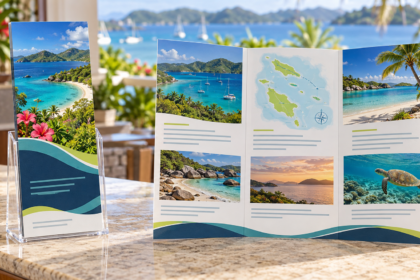
Use your website, business cards and social posts to repeat the same service-area and appointment information. Your public materials should lead to a way to contact you, not a dead-end social profile or a general page where booking details are difficult to find.
- Business cards: highlight your service area and appointment contact.
- Referrals: tell local professional contacts how to check availability for a visit.
- Social posts: explain how to request an appointment and announce genuine schedule changes.
- Directory listing: identify mobile service and the areas you are authorized and able to cover.
You can request a free listing in CPM’s USVI Notary Directory. Keep the listing current if your availability, contact details or commission status change. Review is required before publication.
Use a Clear Appointment-Response Template
A reusable response can make your communication more consistent. Personalize it for each request and confirm the details rather than treating the template as an automatic booking.
Example response: “Thank you for your inquiry. I can check availability for [date] in [general location]. Please confirm your preferred time and how I can reach you. Before confirming the visit, we will discuss who needs to attend, the appointment requirements and all applicable charges. Please do not send identification or confidential documents in a public message.”
Measure What Leads to Suitable Appointments
Track how people found you, which service areas generate inquiries, how often inquiries become appointments, and the approximate travel time involved. You do not need confidential document details for this marketing review. A channel that generates fewer inquiries but well-matched appointments may be more useful than one that creates a lot of calls you cannot serve.
Notice recurring questions and improve your public information. If clients repeatedly misunderstand your coverage, update the service description. If many visits are delayed by access issues, add that question to your confirmation process. Ask for honest feedback about communication and convenience without disclosing private transaction details.
A Practical Checklist Before Promoting Mobile Visits
- Confirm your registration, commission scope and current service area.
- Check that every public page shows accurate contact details and availability.
- Prepare an inquiry response and written appointment-confirmation process.
- Review current official fee guidance and explain charges before booking.
- Test your phone link, contact form and any QR code on a mobile device.
- Start with a manageable number of appointments and improve the process from real feedback.
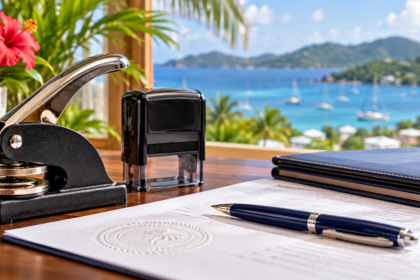
For official links, sample imprints and supplies, visit CPM’s USVI Notary Resource Center. Caribbean Printing & Marketing can help with business cards and notary stamps and embossers; CPM does not provide notarial services. For commission questions, current rules or fee clarification, contact the Notaries Public Division.